Who does what on a masonry restoration job, and what to ask each of them
A restoration job is rarely one person. Knowing the roles helps you judge a contractor's crew before you hire them.
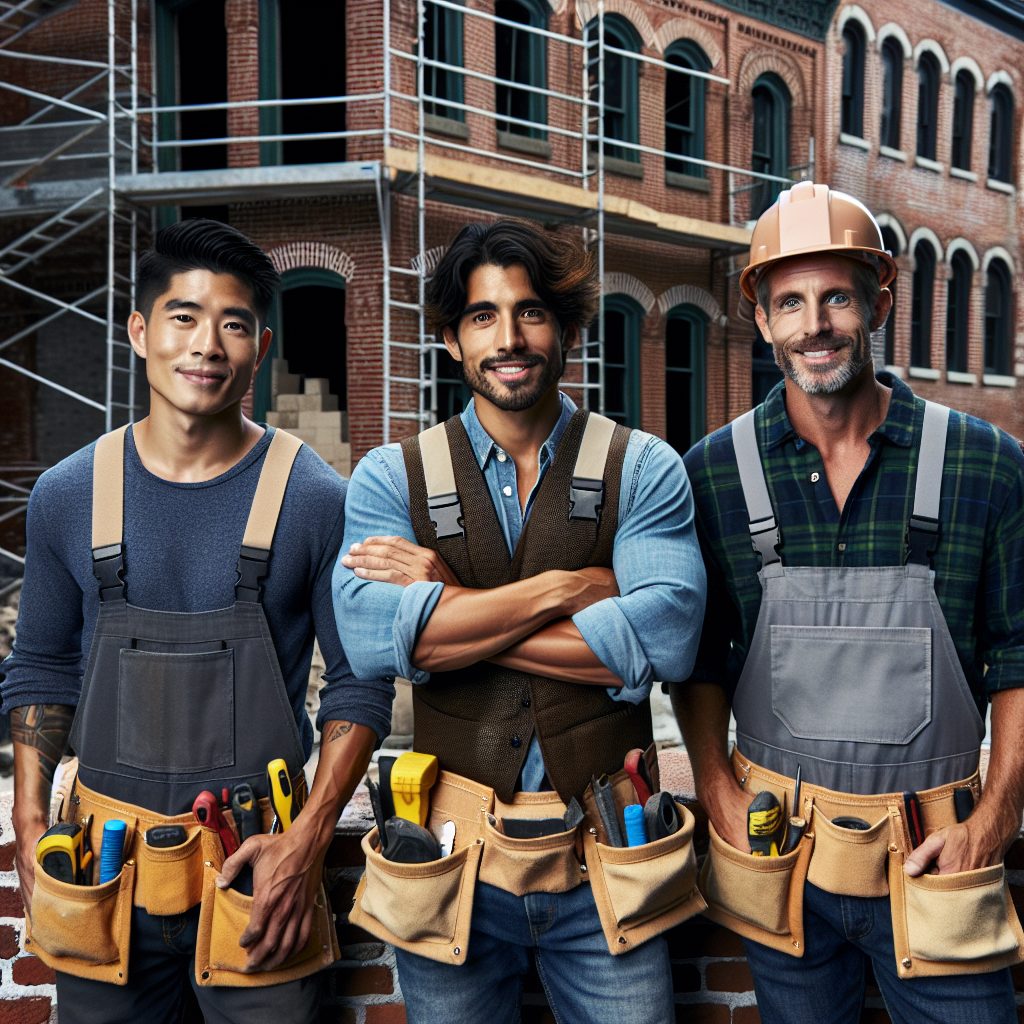
Expert Masonry & Building Restoration
These are the masons who do the hands-on work. The best have years of historic and modern restoration behind them and keep learning new techniques. Ask who will actually be working on your wall.
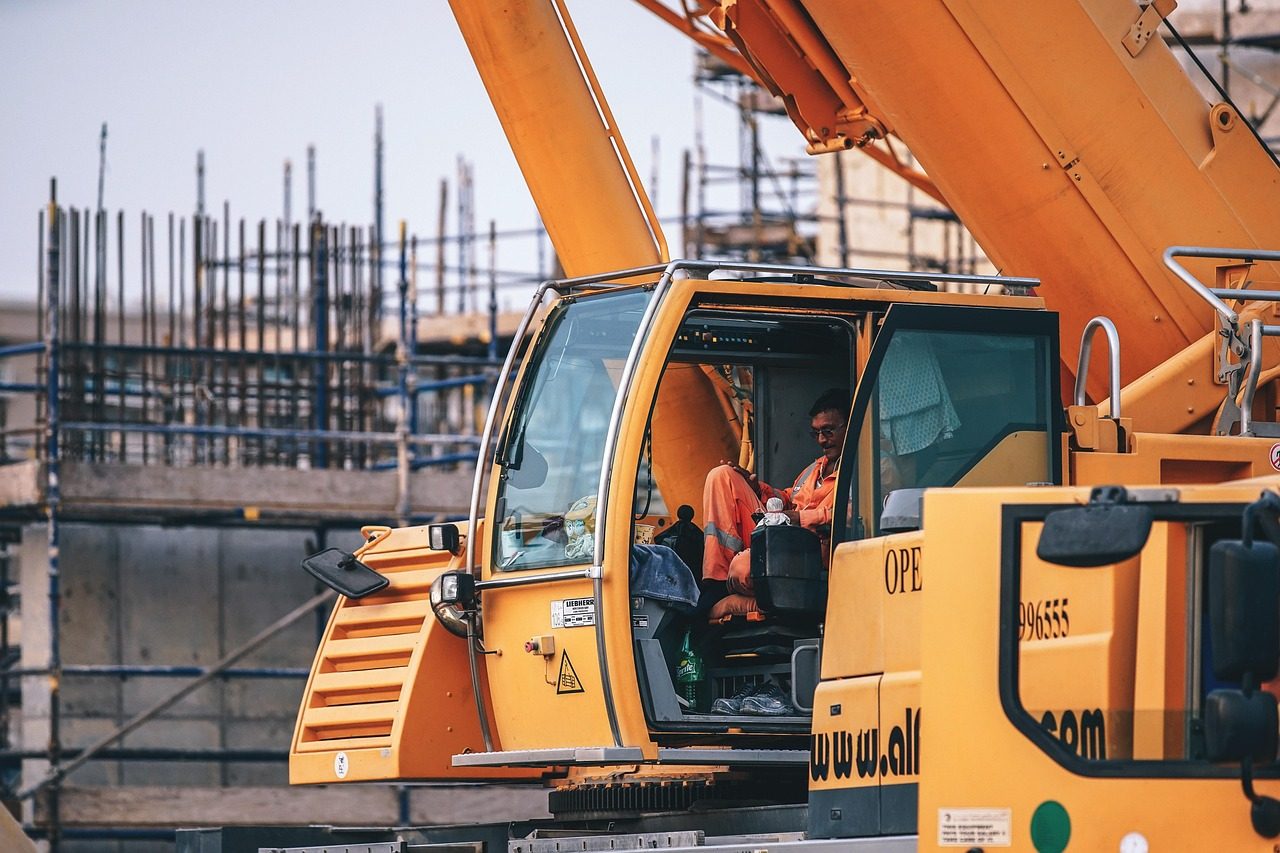
Project Management & Quality Control
A field supervisor runs the schedule, checks quality at each stage and stays in touch with the owner. Ask who your daily contact will be.
Technical Expertise & Strategy
On larger jobs, someone evaluates the building, chooses materials and techniques, and balances looks against preservation needs. That role matters most on historic properties.
Ask which certifications and licenses the crew holds. In Massachusetts, ask whether the contractor is registered as a Home Improvement Contractor for work on your home, and whether it holds state DCAMM certification if it works on public buildings.
Good crews keep training on new techniques and materials. Ask when the masons last took a course or earned a certification.
Nothing replaces real-world experience. Ask to see projects like yours, from historic Boston brownstones to modern residential and commercial buildings.
Masonry work happens on ladders and scaffolding, so ask how the crew follows OSHA safety rules and whether the masons have OSHA training.
The crews I'd hire treat quality as attention to detail and respect for the craft. They solve the problem behind the damage instead of patching what shows.
A good crew keeps you informed at every stage: what is happening, why, and what to expect next.
The contractors worth keeping treat your job as the start of a relationship and stay reachable for maintenance questions afterward.
A firm that specializes in masonry, concrete and preservation tends to make fewer costly mistakes than a generalist.
Specialists refine their process over hundreds of similar jobs, and it shows in consistent results.
A Boston contractor should know the region's freeze-thaw winters, its brick and brownstone architecture, and its building codes. Local knowledge matters.
Ask who checks the work at each stage. A second set of eyes catches problems before they are buried in mortar.
Any contractor can list values. Here is how to tell whether they hold.
An honest contractor tells you what is needed and what is not. Be wary of anyone who finds a long list of urgent extras.
Look closely at past work: straight joints, matched mortar color and clean brick faces show a crew that cares about the finish.
A good contractor listens to your goals, concerns and budget before proposing anything.
The best crews look past the visible crack to the water or settlement causing it, which prevents repeat repairs.
Firms that have worked in Boston for decades have a stake in its neighborhoods, and their old jobs are there for you to look at.
Ask what has changed in how they work over the last few years. New techniques and materials benefit every client.
Take these questions with you when you meet a contractor's crew, and use my quote guide to compare what each one offers.
How to Get Quotes